How Attachment Injuries Impact the Nervous System: Understanding Emotional Pain and Recovery
When Emotional Safety Feels Shattered
Have you ever felt completely on edge after someone you trusted hurt or dismissed you? Maybe a partner, parent, or close friend let you down, and suddenly even small interactions feel unsafe. That mix of anxiety, anger, and sadness isn’t just “in your head.” It’s your nervous system signaling that emotional safety has been compromised.
Experiences like this are often referred to as attachment injuries, which frequently emerge in couples struggling with conflict, betrayal, or emotional disconnection.
Feel like you’re waiting for the shoe to drop?
That is how attachment injuries can make your nervous system feel, hypervigilant, tense, and ready for the next emotional impact.
Think of your amygdala as a smoke detector. When there’s a fire, the alarm goes off to alert you to danger. An attachment injury works in much the same way, triggering your internal “fire alarm” even when there isn’t an immediate threat. Your body interprets the situation as a danger to your emotional safety, your sense of trust, connection, and belonging. This is why events like betrayal or infidelity can feel so destabilizing. The brain and body react as if you need protection from relational harm, rejection, or the loss of safety in your relationships. This heightened state can feel overwhelming, but it’s your nervous system’s way of keeping you safe from emotional pain.

What Is an Attachment Injury?
An attachment injury happens when someone you depend on for emotional safety violates trust, dismisses your needs, or causes deep emotional pain. It’s not about minor disagreements. It’s when the person who is supposed to comfort you becomes a source of threat or uncertainty.
Because humans are wired to respond to relational safety, these injuries impact both mind and body. Your “smoke detector” goes off repeatedly, keeping you on alert until safety is rebuilt.
How the Nervous System Reacts
The Brain’s Response
When an attachment injury occurs, the amygdala signals danger, triggering the release of stress hormones like cortisol and adrenaline. Meanwhile, the prefrontal cortex, which helps you reason and regulate emotions, becomes less effective.
This is why emotional reactions feel intense and uncontrollable. You may notice:
Racing thoughts and replaying what happened
Difficulty calming down
Heightened alertness to subtle cues in your environment
Physical and Emotional Symptoms
Just like a fire alarm makes you tense and ready to move, your body reacts physically to attachment injuries. Common responses include:
Tightness or tension in the chest, neck, or shoulders
Headaches or nausea
Trouble sleeping or focusing
Waves of sadness, anger, or anxiety
These responses are not signs that you are “overreacting.” They are your nervous system trying to protect you while your brain figures out if it’s safe to relax again.
Why Attachment Injuries Feel So Personal
Even if the injury wasn’t intentional, attachment injuries often trigger shame, self-doubt, and fear of abandonment. Questions like:
Am I not enough?
Did I do something wrong?
Can I trust myself or others again?
These thoughts are your nervous system trying to make sense of the relational “fire” that just went off. Hypervigilance and obsessive thinking are like checking the smoke detector over and over. Your body is seeking reassurance and stability.
The Path Toward Recovery
Rebuilding Safety Gradually
Recovery means restoring a sense of safety in your body and your relationships. Your nervous system learns that it can relax when it experiences consistent signals of care and reliability.
Strategies include:
Setting boundaries to protect emotional space
Honest communication that feels safe
Taking time to process feelings without judgment
Integrating Emotional Awareness
Part of healing is becoming aware of your triggers and physical responses. Developing the ability to self-soothe and regulate your nervous system can lessen chronic stress and hypervigilance, allowing you to respond rather than react. A nervous system–informed therapist can help you practice these skills, offering strategies and support tailored to your unique experiences.
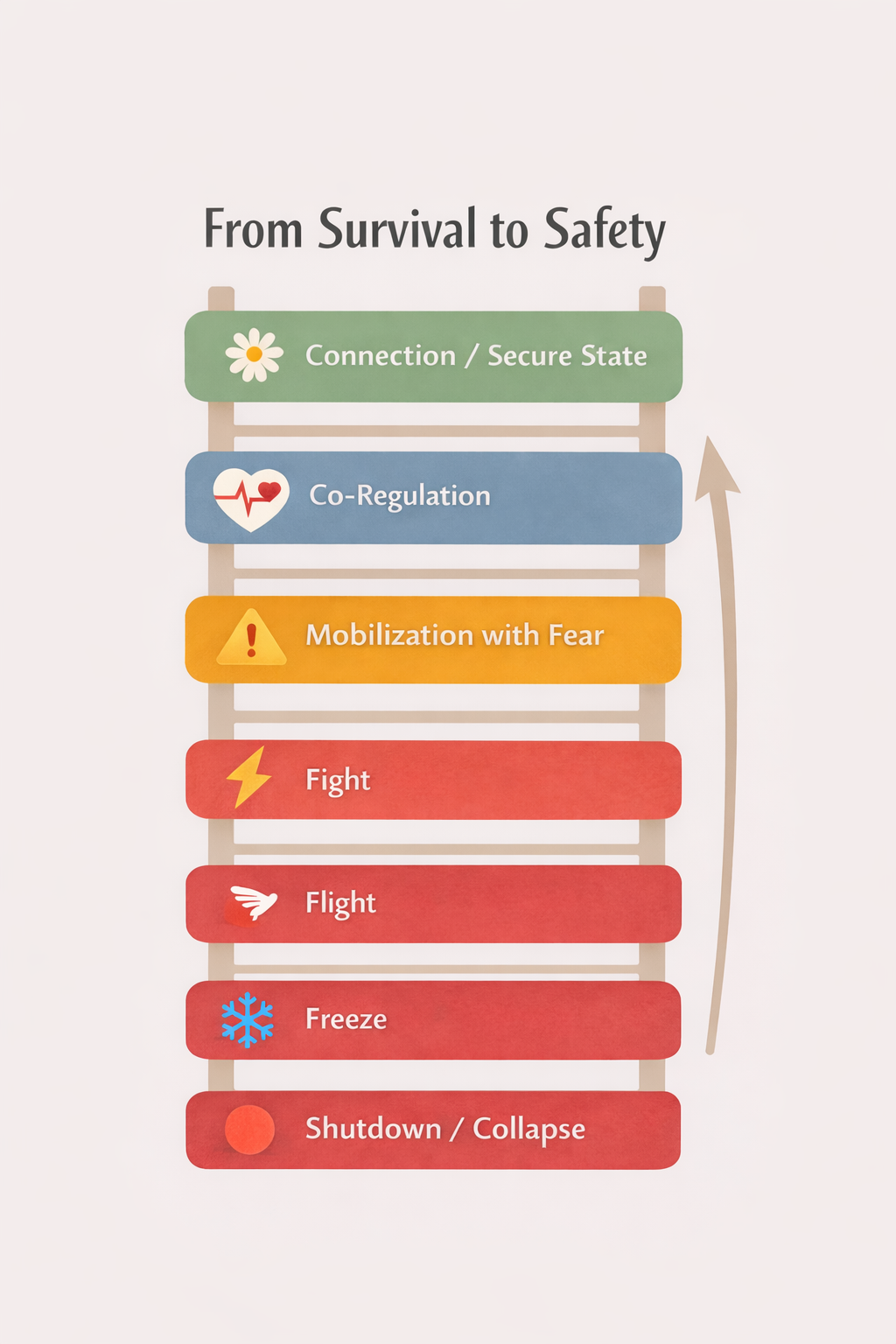
Healing means moving from survival patterns back toward safety and connection.
Professional Support
Therapy can provide a contained environment to:
Slow reactive cycles
Process attachment injuries safely
Rebuild trust and emotional safety
Decide whether and how relationships can be repaired
Moving Forward: How Counseling Can Help Heal Attachment Injuries
Attachment injuries can feel overwhelming, but your nervous system is capable of healing. With awareness, consistent safety, and support, emotional stability and relational trust can be rebuilt.
Even if relationships don’t fully recover, repairing your own nervous system is always possible. You can learn to engage with others without chronic fear, hypervigilance, or emotional shutdown, and restore a grounded, resilient way of relating to the world.
If you’re struggling with the impact of attachment injuries on your relationships or your own nervous system, you don’t have to navigate it alone. With over 18 years of experience supporting individuals and couples, I help people understand how attachment wounds affect emotional regulation, stress responses, and connection. Together, we can work toward clarity, safety, and emotional balance.
I offer therapy and couples counseling throughout Michigan, including Rochester Hills, Lake Orion, and surrounding communities. If you’d like to learn more or schedule a consultation, please reach out. Support is available, and healing is possible. Feel free to reach out so we can chat about your needs and goals.